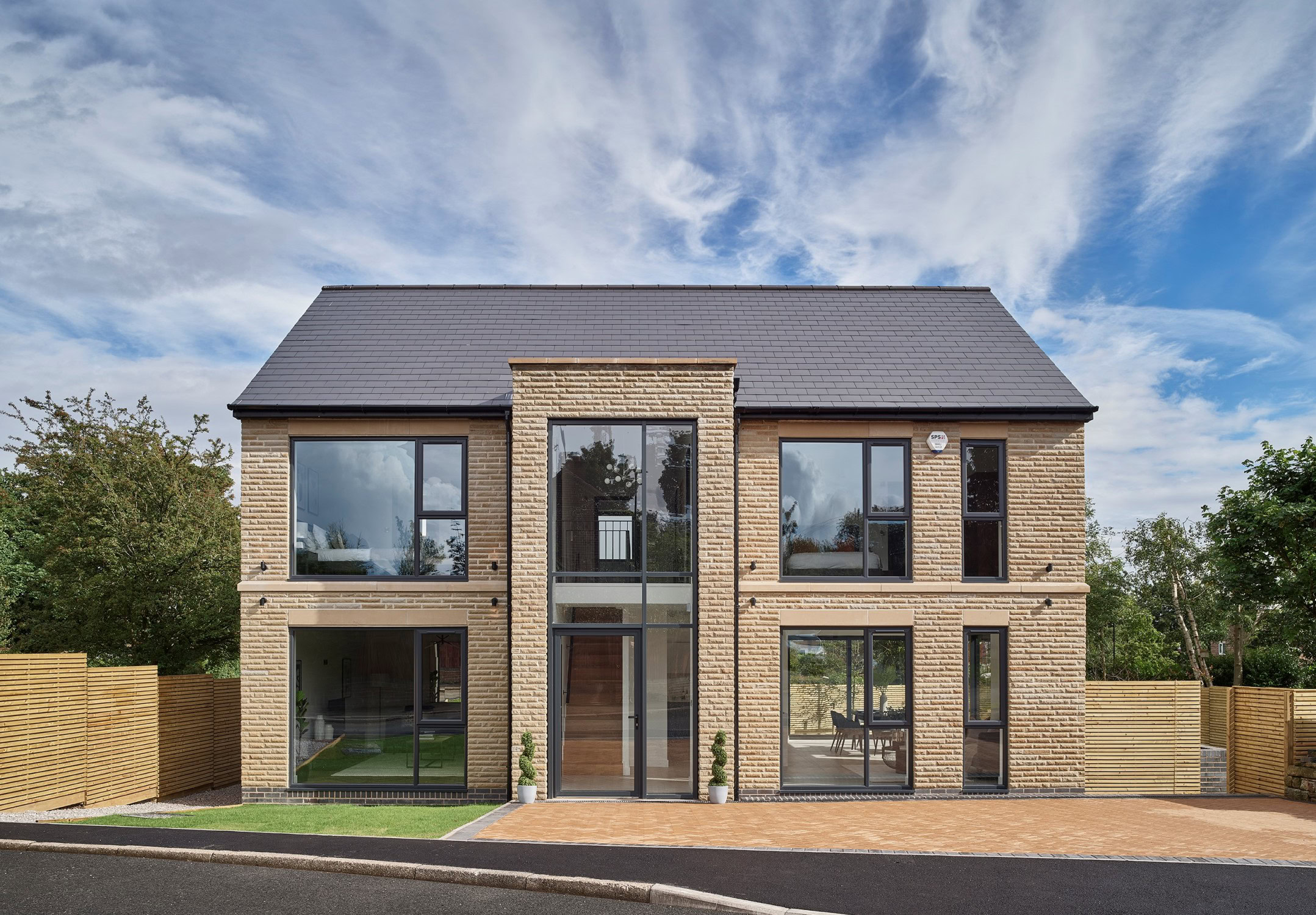
As we move into 2026, expectations around residential architecture are continuing to evolve.
Homeowners are no longer looking for generic solutions or designs that simply follow current fashions. Instead, there is a growing demand for homes that feel deeply personal, considered, and aligned with how people actually live now and plan to live in the future.
This shift is not about rejecting contemporary design. It is about moving beyond surface-level aesthetics and creating architecture that responds to individual lifestyles, values, and long-term needs. In 2026, the most successful homes will be those designed around people first, not trends.
For CODA Bespoke, this focus on personal architecture has always been central. What is changing is how widely this approach is now being recognised as essential rather than optional.
The move away from generic residential design
For many years, residential architecture in the UK was dominated by repeatable layouts, developer-led thinking, and an emphasis on short-term resale value. While this approach delivered efficiency, it often failed to reflect the realities of how people live day to day.
By 2026, homeowners are far more design-aware. Many have lived in spaces that looked good on paper but did not function well in practice. Poor storage, awkward layouts, limited natural light, and inflexible rooms have all contributed to a growing frustration with one-size-fits-all design.
As a result, there is a clear move away from generic solutions and towards bespoke architectural responses. Clients are asking more questions, challenging assumptions, and seeking architects who take the time to understand their routines, priorities, and ambitions for their homes.
This change has elevated the role of the architect from problem-solver to design partner.
Homes designed around real lives
One of the defining characteristics of architecture in 2026 is the emphasis on designing around real lives rather than idealised ones. This means acknowledging that homes need to support multiple functions, evolving needs, and changing circumstances over time.
In practical terms, this could include layouts that adapt to hybrid working, spaces that evolve as families grow, or homes that accommodate multigenerational living without compromise. It also means designing circulation, storage, and connections between spaces with as much care as visual elements.
Personal architecture starts with asking the right questions. How does the household move through the space each day? Where does clutter build up? Which rooms are used most and why? How do light, noise, and privacy affect daily life.
By grounding design decisions in these realities, architects can create homes that feel intuitive and comfortable rather than imposed.
The importance of early collaboration
In 2026, successful residential projects increasingly begin with early and meaningful collaboration. Homeowners are recognising the value of involving an architect from the outset, rather than treating design as a later stage or a visual exercise.
Early collaboration allows design decisions to be shaped by budget, planning constraints, site conditions, and long-term goals from the very beginning. This leads to clearer outcomes, fewer compromises, and a more cohesive final result.
When clients are engaged early, they also become more confident decision-makers. They understand why certain choices are being made and how those choices support the overall vision for the home. This shared understanding reduces stress during the build process and leads to better relationships between all parties involved.
In a climate where projects are becoming more complex and expectations higher, this collaborative approach is no longer a luxury. It is a necessity. Learn more about CODA Bespoke’s process.
Timeless design over short-term trends
Another defining feature of architecture in 2026 is the renewed emphasis on timeless design. Homeowners are increasingly cautious about trend-driven choices that may feel dated within a few years.
This does not mean homes are becoming conservative or uninspiring. Instead, architects are focusing on proportion, material quality, light, and spatial relationships that remain relevant regardless of changing tastes.
Materials are selected for their longevity and how they age over time. Layouts are designed to remain flexible rather than locked into a single way of living. Details are considered carefully, not for visual impact alone, but for how they contribute to the experience of the space.
Timeless architecture does not shout for attention. It feels settled, purposeful, and quietly confident. In 2026, this approach is increasingly seen as a mark of quality and thoughtful design.
Architecture as an investment in wellbeing
The conversation around architecture in 2026 extends beyond aesthetics and function into wellbeing. Homeowners are more aware of how their environment affects their mental and physical health, and design is responding accordingly.
Natural light, connection to outdoor space, acoustic comfort, and spatial clarity are all being prioritised. Homes are designed to reduce stress rather than add to it, supporting calm, focus, and relaxation.
Personal architecture plays a crucial role here. What feels calming or energising can vary significantly from one household to another. A truly bespoke design responds to these differences rather than applying generic wellness concepts.
By understanding how clients want to feel in their home, architects can create environments that support wellbeing in a meaningful and lasting way. For insight into broader design principles, see What Makes a Well-Designed Home?.
Planning for longevity and change
In 2026, more homeowners are thinking long term. Rising build costs and planning complexity have made people more cautious about short-term fixes or incremental changes.
Instead, there is a growing appetite for homes that are designed to adapt. This could include future-proofed layouts, structural flexibility, or spaces that can change function over time without major disruption.
Personal architecture considers not just current needs, but potential future ones. Whether that means accommodating ageing in place, creating adaptable workspaces, or designing homes that can evolve with family life, longevity is now a central design consideration.
This forward-thinking approach protects investment and ensures homes remain relevant and enjoyable for decades rather than years.
Why personal architecture defines the future
As we look ahead to 2026 and beyond, it is clear that architecture that feels personal is not a passing trend. It reflects a deeper shift in how people relate to their homes and the role those homes play in their lives.
Homes are no longer just places to live. They are places to work, rest, connect, and grow. Designing spaces that genuinely support these functions requires care, empathy, and expertise.
Architecture that feels personal does not impose solutions. It listens, responds, and evolves. In 2026, this approach is setting the benchmark for quality residential design.
If you are considering a home project and want to create something that truly reflects how you live, now is the time to start that conversation. Thoughtful design begins with understanding, and the earlier that process starts, the stronger the outcome will be.
When you are ready to explore what a personal approach to architecture could look like for your home, contact the CODA Bespoke team to begin your bespoke home journey.